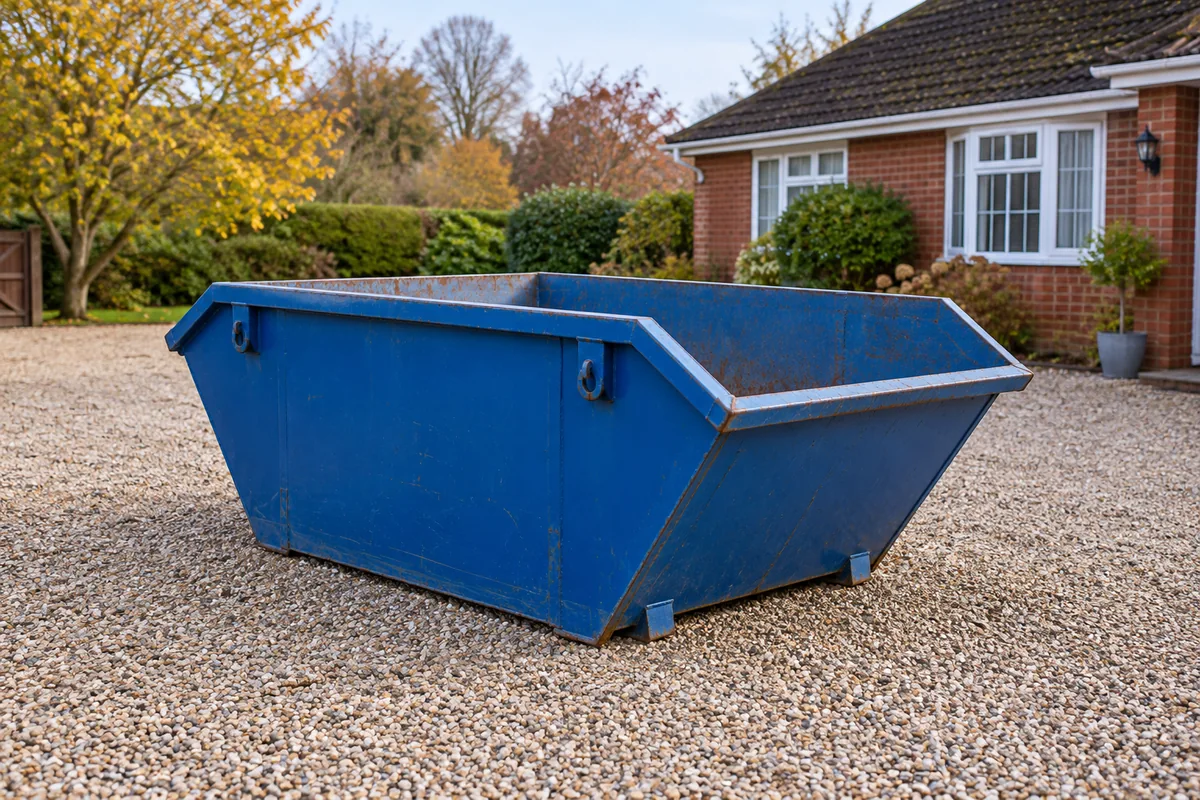
Your skip-hire quote depends on the size, waste and delivery arrangements. Here are the details that help us quote for your Stirling job and explain what the price covers.
A skip-hire quote for your job
A skip for a bathroom refit and a skip for digging out a garden may look similar, yet carry very different materials. That is why a price without a waste description can leave important details unanswered. Start with what you are clearing, where it is and how much you expect to remove.
When you call for skip hire in Stirling, we discuss the waste, size and delivery arrangements before confirming a quote. Explain the whole project, including any soil, old furniture or building materials that will be added later. This gives us a clearer picture than the size of the first pile alone.
Confirm what the price includes before booking. Keep a note of the waste, size and dates you have agreed, particularly if another quote assumes a different container or hire period.
Skip size and weight are different
Skip sizes describe the space inside the container in cubic yards. Our skip-size comparison shows the 2, 4, 6, 8, 14, 20 and 40 yard options. A larger skip gives more space, but that does not mean it can be filled with an unlimited weight of material.
Flat-pack furniture and cardboard can occupy a lot of room without weighing as much as a much smaller pile of soil or concrete. Tell us which materials make up most of your load. For garden work, our guide to cuttings, roots and soil explains why digging waste needs a different description from hedge trimmings.
Ordering too little room can mean another container or collection. Ordering a large container for heavy waste may be unsuitable even if it fits the drive. Describe the amount first, then agree a size and loading limit that match the material. Bag estimates are only a rough comparison, not a weight allowance.
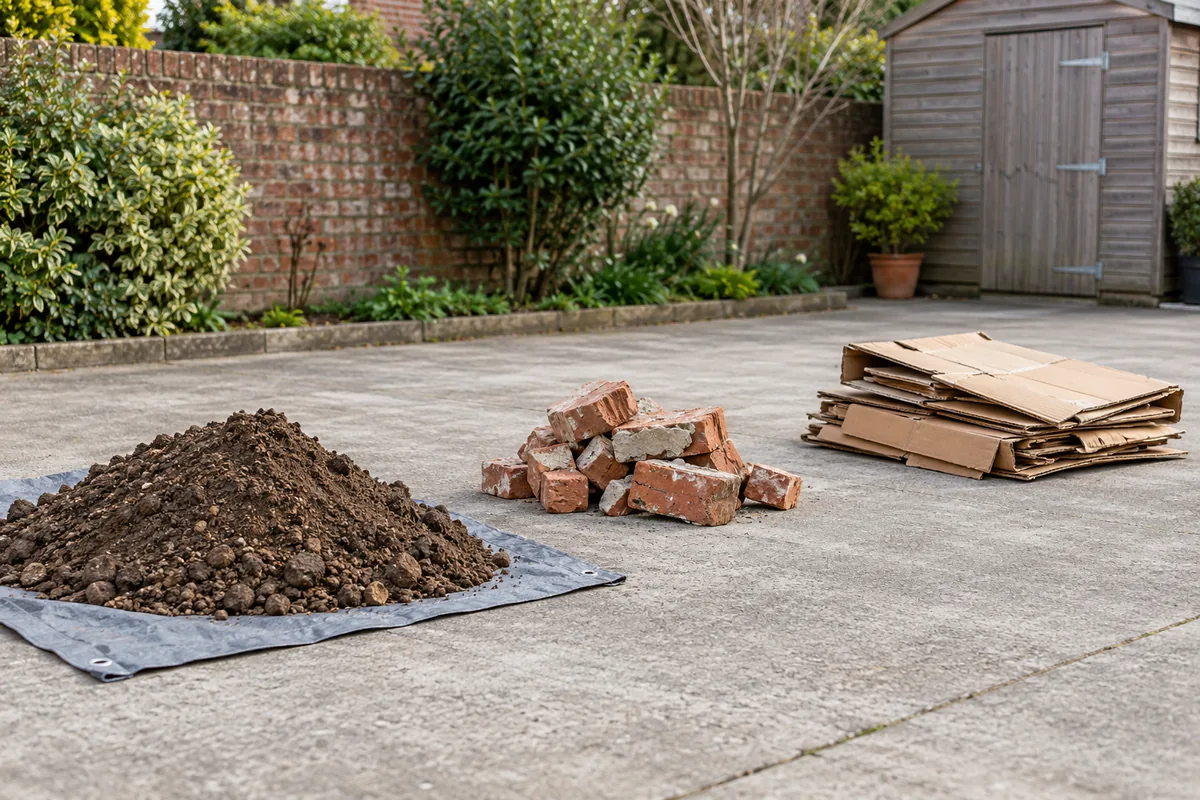
The contents matter as much as the amount
General household and agreed renovation waste should be described clearly before booking. A mixed room clear-out is different from a load containing lots of plasterboard, mattresses or carpet. Mention these items individually so we can explain the arrangements and any effect on the quote.
Electrical appliances, batteries, gas cylinders, paint, oils and suspected asbestos do not belong in an ordinary general-waste skip. Keep them separate rather than burying them under the rest of the load. Our guide to what can go in a skip helps you prepare a waste list and identify items to discuss.
If the project changes after booking, call before loading different materials. For example, clearing a shed may reveal old roofing sheets or containers you did not know were there. Do not assume that an earlier quote covers everything you find later. Tell us what you have found so we can explain the next step.
Your postcode, access and road position
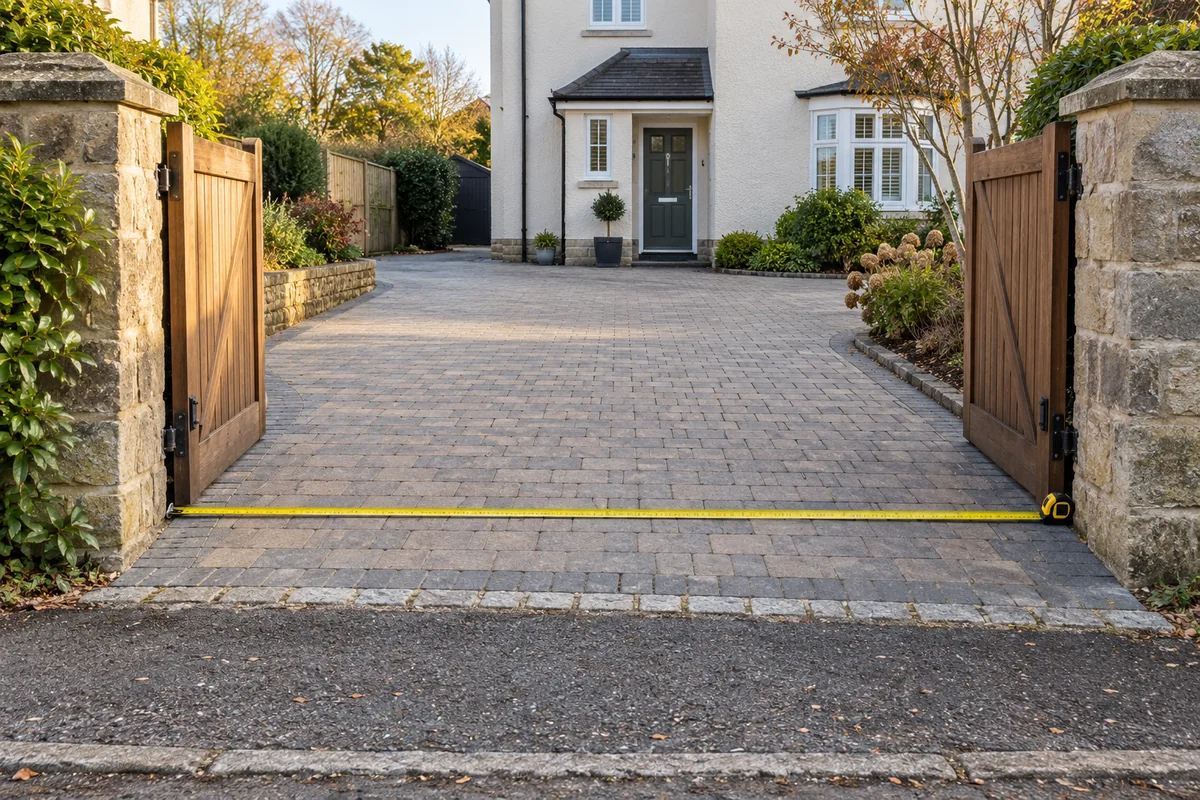
Give the delivery postcode and explain exactly where the skip would stand. The lorry needs access to position and lift it safely, as well as room for the container itself. Entrance width, tight turns, slopes and overhead obstructions all matter. Mention shared access and anything that could block collection while the skip is on hire.
A skip entirely on private land does not need a road permit. Public-road or footpath placement needs permission from the relevant roads authority, as explained in GOV.UK’s Scottish skip-permit guidance. Permission and any associated charges need to be settled before delivery; do not assume a road position is included in a basic hire price.
For a Stirling Council road, check the council’s current skip-permit application information and discuss the proposed position when calling. Confirm any current permit or inspection charge as part of the arrangements. Our delivery-preparation guide covers the practical access details to have ready.
Hire dates, extensions and extra collections
A useful quote needs dates as well as a size. Tell us when the work starts, how long you expect to need the skip and whether several trades will be using it. Confirm the hire period included in the quote and how you request collection when the load is ready.
If work runs late, contact us before the agreed hire period ends. Ask whether an extension is possible and whether it changes the charge. Road permission may also need attention if the skip has to stay longer. Do not treat either hire time or a permit as open-ended.
A larger project may need an exchange: collecting a full skip and delivering another one. Explain this at the start rather than comparing a single hire with the cost of several loads. For suitable jobs, our business and wait-and-load skip services offer other arrangements to discuss. Wait and load means you load during an agreed waiting time; it is not an automatic exemption from road rules.
Compare the complete quote before booking
Use the same waste list, dates and placement details when comparing quotes. Two prices are only comparable when they cover the same waste and hire period. Ask for the full amount you would pay, including VAT where applicable and any agreed extras.
- Skip and waste: the agreed size, contents and loading limit.
- Transport: whether delivery and collection are included.
- Time: the included hire period and extension arrangements.
- Road position: who arranges permission and which charges apply.
- Changes: charges for extra loads, different waste or other changes.
Ordinary skip hire is customer-loaded. If you need lifting and loading, ask about our separate rubbish-removal van collection, with the items, carrying route and work agreed in the quote. Our skip hire or rubbish removal guide explains the service difference.
Call with your postcode, a clear waste list and preferred dates. We can talk through a suitable option and confirm the quote before you book. Keep the agreed details handy, and tell everyone helping which materials can go into the skip.